Connect the context
Identify the vessels, shipments, facilities, commitments, and source records needed for the selected use case.
Connect the disruption at sea to the cargo, facilities, and customer commitments that depend on it.
Request a maritime demo ↗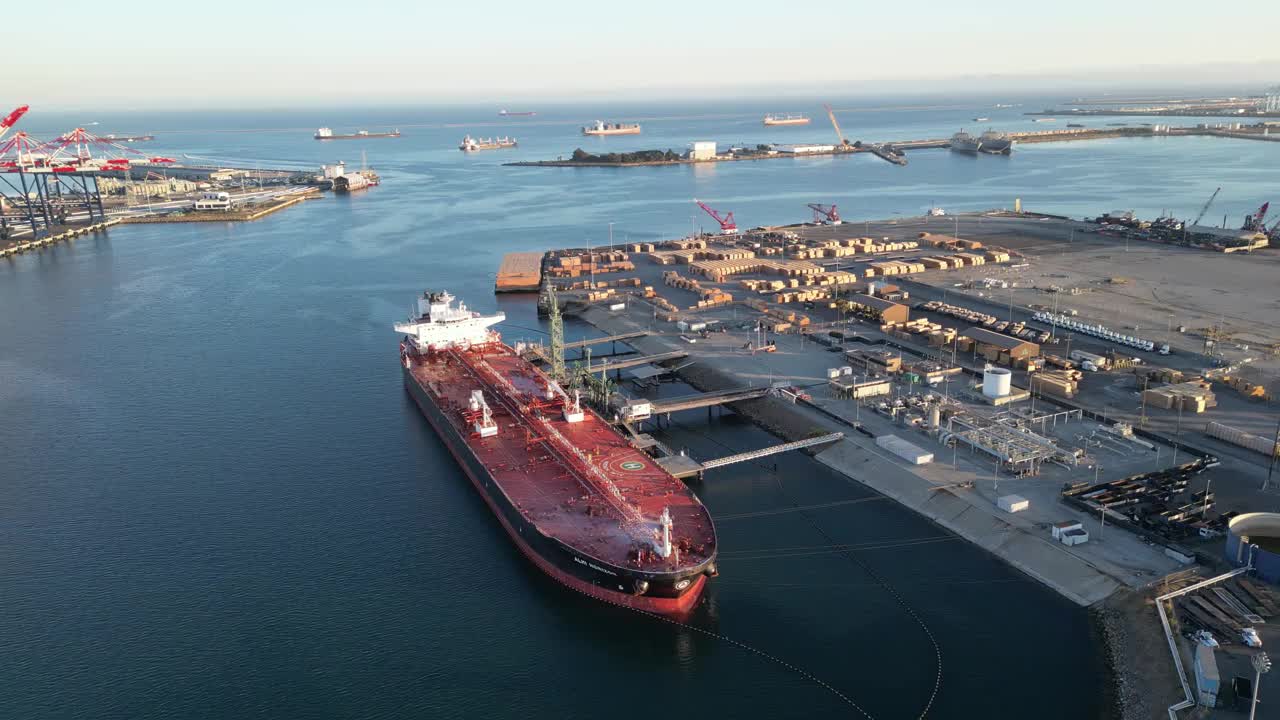 MARITIME OPERATIONS / ILLUSTRATIVE FOOTAGE
For container carriers, maritime logistics operators, port-related operations, and supply-chain teams, a position on a map is not enough. The beta centers on one question: what does this change mean for our operation?
A selected terminal interrupts berth operations. MV Horizon is holding outside its planned berth. Twelve shipments are exposed, including a component needed at Denver facility DEN-04.
 ROTTERDAMLOS ANGELESDENVER · FACILITY 04SHANGHAI↗ MV HORIZONEXPOSED · SAMPLE01°17′ N / 103°51′ E
Shipment S-18402 carries control assemblies for production line 4. The sample inventory covers 21 hours; the modeled delay is 27 hours. The six-hour gap matters because two priority orders depend on the line.
All IDs, exposures, timings, and costs on this page are simulated. They are not a live incident or measured customer outcome.
Control assemblies in S-18402 supply Denver facility DEN-04.
SYSTEM INFERENCE · SAMPLE DATABalance delivery timing against incremental freight cost, available capacity, and the dependencies each response creates.
| Operational tradeoff | OPTION 01RerouteVia alternate port | OPTION 02Expedite componentsAir freight priority cargo | OPTION 03Maintain current planUse existing inventory |
|---|---|---|---|
| Time vs. original ETA | +13 h | −18 h | +27 h |
| Additional cost | +$42,000 | +$118,000 | No added freight |
| Service risk | Commitment held | Commitment held | 6 h coverage gap |
| Operational risk | Medium | Medium–high | High |
| Dependencies | Berth capacity + drayage | Air slot + customs | Port resumption + stock |
| Confidence | 86% | 79% | 88% |
Illustrative estimates for comparison, subject to capacity, customs, inventory, and operator validation. No response is executed.
A useful pilot has a bounded network, known source systems, and people responsible for the decision. Together, we can define which exceptions matter and how to evaluate the quality of the resulting context.
Identify the vessels, shipments, facilities, commitments, and source records needed for the selected use case.
Test the dependency model against representative exceptions with the operators who understand the network.
Assess traceability, relevance, uncertainty, and the usefulness of the response comparison—not a fabricated performance promise.
Maritime beta workflow · Synthetic operating records
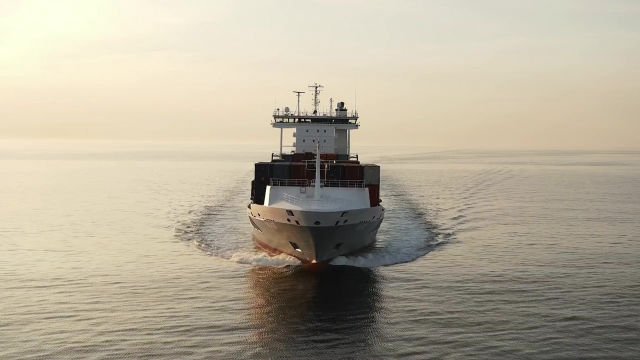
Start with the record, its timestamp, and what it can—and cannot—tell you.
Confirm the bulletin timestamp and the affected berth before treating the delay as current.
Illustrative relationships, not live telemetry, customer results, or an automated operational action.
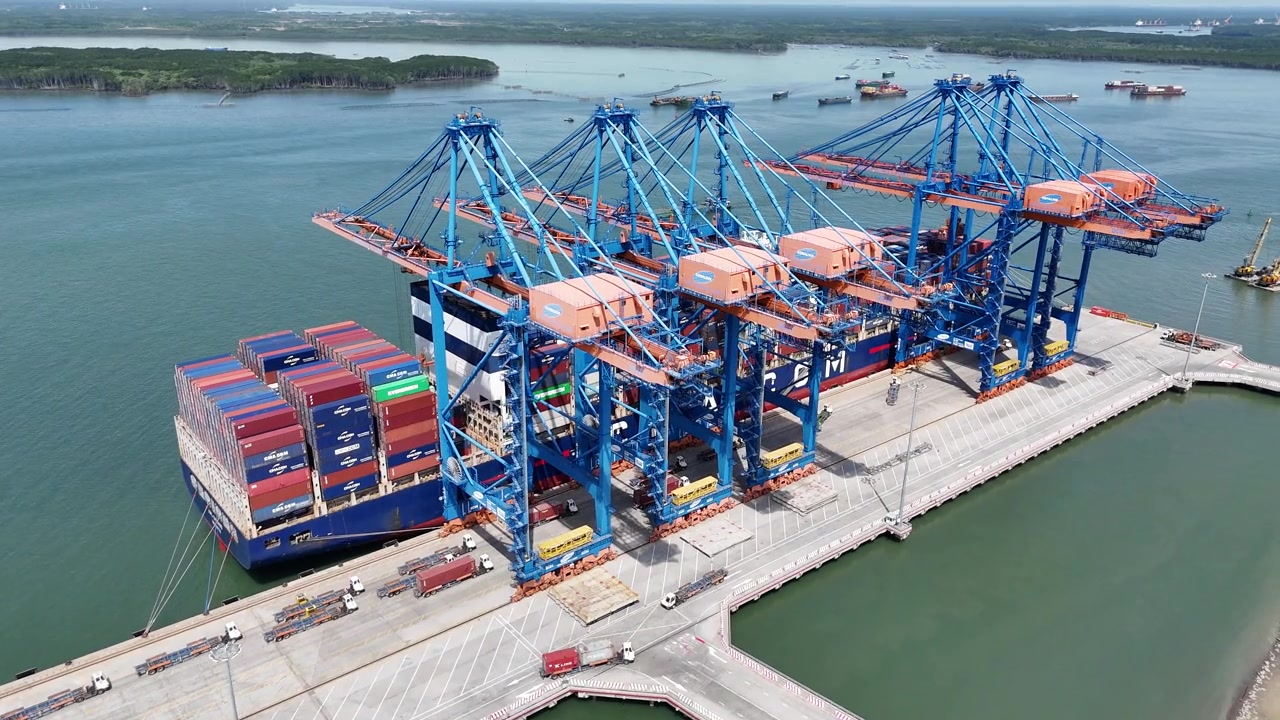
Real source footage · Illustrative use case, not a customer deployment
A useful model joins the changing situation to the records, dependencies, and people needed to understand it.
A bounded network, permitted source records, an agreed decision owner, and representative exceptions. Our first beta focus is maritime; other environments remain areas for exploration.
See how Prospicium connects operational change to the decision that follows.
Request a demo