Keep an observation separate from an interpretation.
A useful record includes its origin, time, entity, and permission boundary. In an evaluation, agree the allowed sources and how stale or conflicting updates are handled.
Connect data, exceptions, dependencies, evidence, and response paths in one operational context.
Explore the model ↗This is an interactive website model of the intended maritime workflow. Explore the layers, then use the workspace controls yourself.
Open the exception or impact view. A geographic position is context; the related source record explains what changed.
Check the timestamp, the affected terminal, and whether the update is still valid.
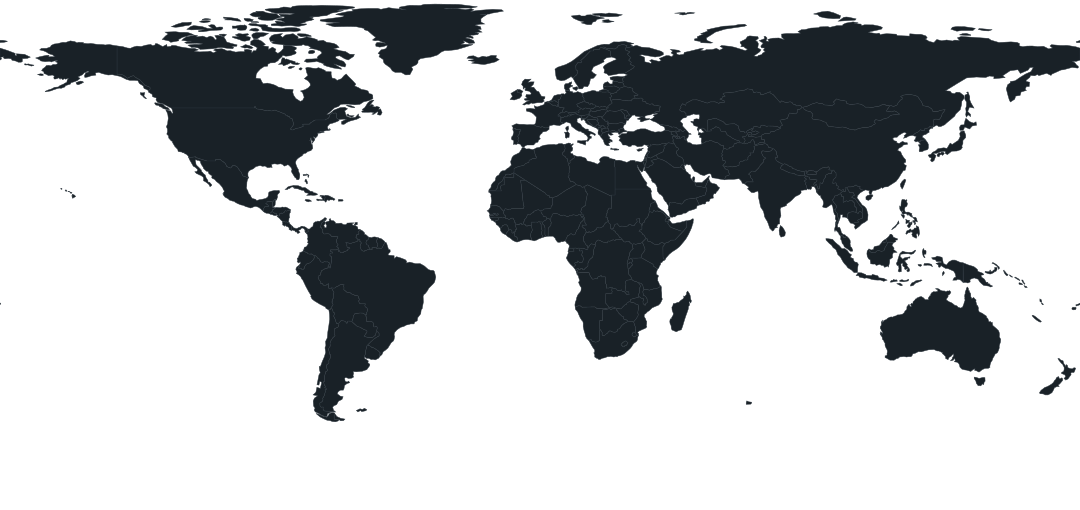 ROTTERDAMLOS ANGELESDENVER · FACILITY 04SHANGHAI↗ MV HORIZONEXPOSED · SAMPLE01°17′ N / 103°51′ E
Port bulletin · Vessel position · Shipment manifest
Synthetic examples · Not connected to a production serviceA useful record includes its origin, time, entity, and permission boundary. In an evaluation, agree the allowed sources and how stale or conflicting updates are handled.
Connect the relevant vessel, shipment, facility, and commitment. A relationship should have an accountable owner and a reason to exist—not simply a line on a map.
Time, cost, and coverage are modeled values. Operators must inspect the inputs and limits before treating a comparison as actionable.
Separate analysis from approval and execution. Define the decision owner, review needs, and retention expectations for any separately scoped engagement.
Current focus: initial maritime beta. This public model is not a claim of available connectors, certifications, a live AI service, or deployment into a regulated environment.
One operational environment, from the first signal to the human decision. Explore the capabilities shaping the maritime beta.
Connect vessels, ports, shipments, facilities, and routes. Move from a geographic overview to the context of one exception.
ROTTERDAMLOS ANGELESDENVER · FACILITY 04SHANGHAI↗ MV HORIZONEXPOSED · SAMPLE01°17′ N / 103°51′ EAI grounded in the operational environment. Follow an explanation back to its sources, timestamps, dependencies, and assumptions.
S-18402 carries control assemblies required by Denver facility DEN-04. On-site inventory covers 21 hours of production, while the selected disruption creates an estimated 27-hour delay. Line 4 and two priority orders depend on the component. That exposes a six-hour coverage gap.
This site demonstrates the intended beta workflow with simulated records. Integration availability and pilot scope are agreed for each engagement.
These are development directions, not a claim of available integrations, certified environments, or deployed industry solutions.
The entities change. The path from exception to decision stays consistent.
Trace direct and downstream exposure.
Maritime is the initial beta focus. Defense sustainment illustrates a potential extension of the architecture, not a claimed deployment.
Maritime beta workflow · Synthetic operating records
Start with the record, its timestamp, and what it can—and cannot—tell you.
Confirm the bulletin timestamp and the affected berth before treating the delay as current.
Illustrative relationships, not live telemetry, customer results, or an automated operational action.
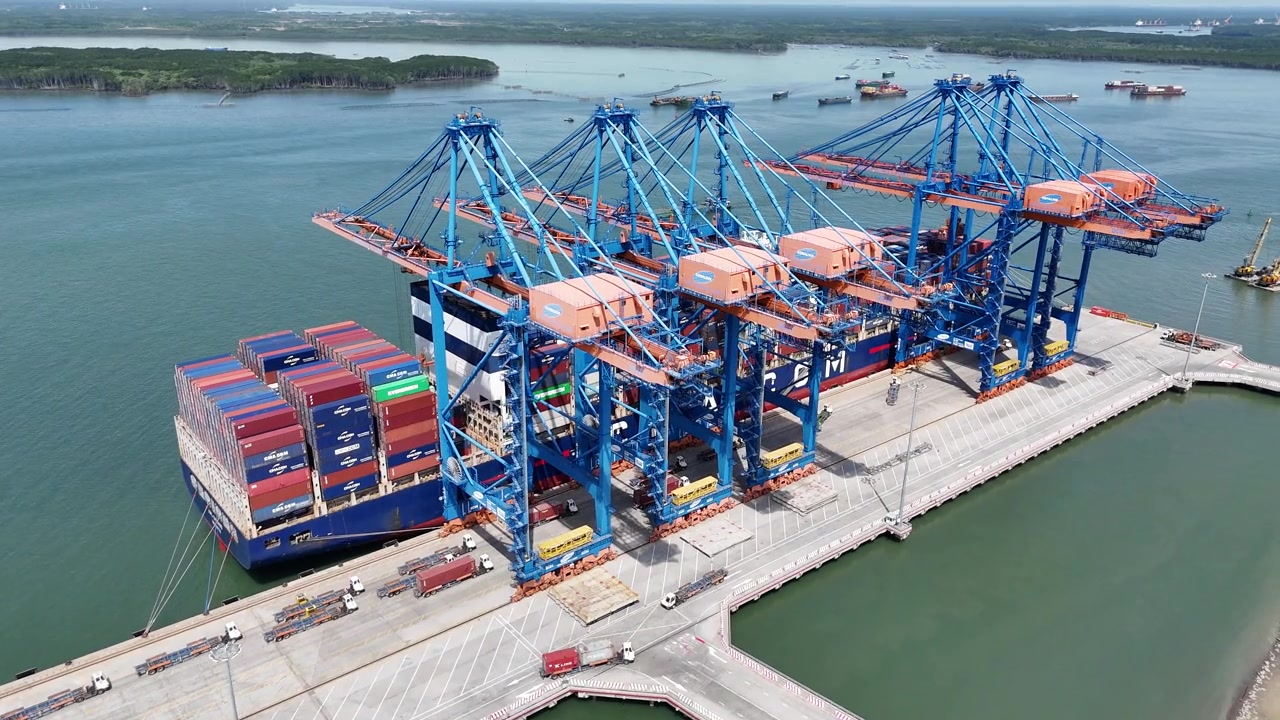
Real source footage · Illustrative use case, not a customer deployment
A useful model joins the changing situation to the records, dependencies, and people needed to understand it.
A bounded network, permitted source records, an agreed decision owner, and representative exceptions. Our first beta focus is maritime; other environments remain areas for exploration.
Our first beta focus is maritime. Explore the operating questions that shape our broader ambitions.

Offshore operations depend on equipment, resupply, maintenance windows, and the people responsible for continuity.
Which downstream commitment changes when a critical component is delayed?
Open the synthetic product demonstrationSee how Prospicium connects operational change to the decision that follows.
Request a demo